Tirana
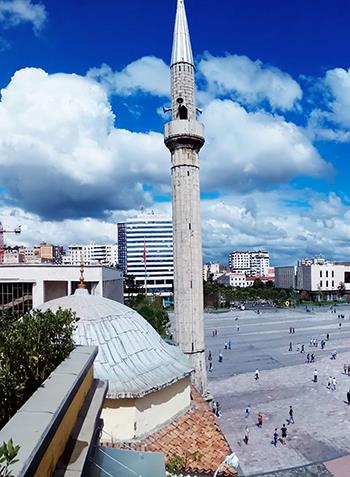
Tirana is the capital and largest city of Albania. It is located in the central part of the country and is a place where you can immerse yourself in the past and present of this Balkan state. Tirana is a young and energetic city. The future capital of Albania was founded only in 1614. Many tourists find this city very charming, due to the fact that it combines the atmosphere of a modern metropolis with the traditional provincial charm. Now Tirana is undergoing a major reconstruction aimed at changing its boring socialist architecture.
The Albanian authorities allow visa-free travel to the country during the tourist season. This is usually the period from April to October. The exact dates vary slightly each year. Visa-free regime is allowed only for tourist and private trips. The maximum period of stay is 90 days.
Tirana is famous for its clubs and restaurants. The most fashionable establishments are located in the Blok area. At the same time, their kitchen is not always of high quality.
In terms of weather, the best time to visit Tirana is from May to September. In summer it is, however, quite hot. But not far away is the Adriatic Sea.
Tirana has an international airport that accepts flights from London, Istanbul, Vienna, Zurich, Munich, Athens and some other cities. The capital of Albania also has regular bus services from Turkey, Serbia, Greece and Montenegro.
History
Tirana was founded by the Ottoman general Suleiman Pasha of Bargina in 1614. Until the 18th century, it was a trading city, known for its large bazaar. Later, Tirana became one of the centers of the Albanian struggle against the Ottoman rule. On February 8, 1920 the city was declared the capital of independent Albania.
Geography and climate
Tirana is located in central Albania, about 40 km from the Adriatic Sea. The Albanian capital is located on the Ishm River in a basin at the foot of the Kruja-Daite Mountains. Tirana has a subtropical climate characterized by hot summers and mild winters.
The Albanian authorities allow visa-free travel to the country during the tourist season. This is usually the period from April to October. The exact dates vary slightly each year. Visa-free regime is allowed only for tourist and private trips. The maximum period of stay is 90 days.
Tirana is famous for its clubs and restaurants. The most fashionable establishments are located in the Blok area. At the same time, their kitchen is not always of high quality.
In terms of weather, the best time to visit Tirana is from May to September. In summer it is, however, quite hot. But not far away is the Adriatic Sea.
Tirana has an international airport that accepts flights from London, Istanbul, Vienna, Zurich, Munich, Athens and some other cities. The capital of Albania also has regular bus services from Turkey, Serbia, Greece and Montenegro.
History
Tirana was founded by the Ottoman general Suleiman Pasha of Bargina in 1614. Until the 18th century, it was a trading city, known for its large bazaar. Later, Tirana became one of the centers of the Albanian struggle against the Ottoman rule. On February 8, 1920 the city was declared the capital of independent Albania.
Geography and climate
Tirana is located in central Albania, about 40 km from the Adriatic Sea. The Albanian capital is located on the Ishm River in a basin at the foot of the Kruja-Daite Mountains. Tirana has a subtropical climate characterized by hot summers and mild winters.